Discovering Our Origins
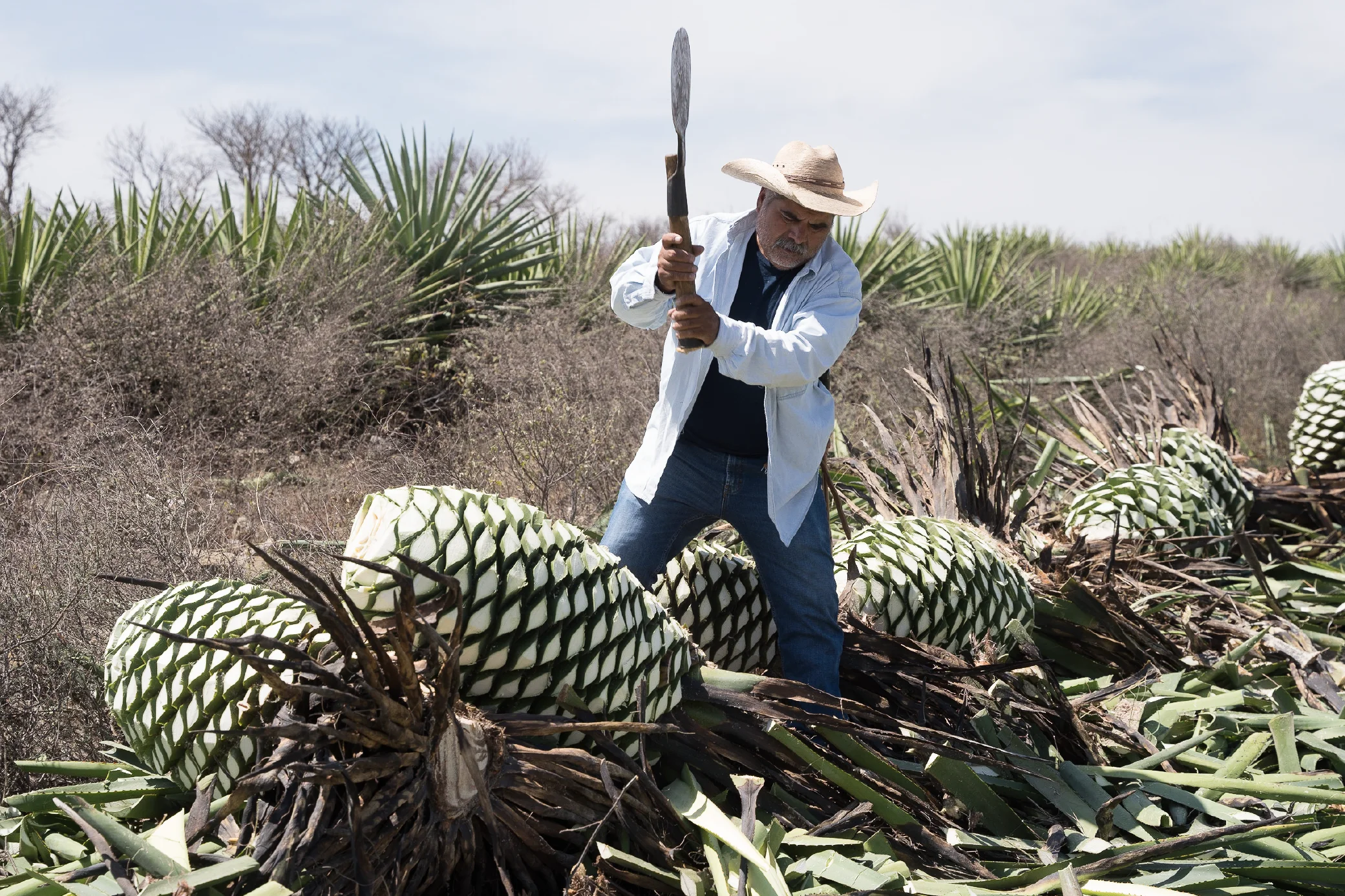
Agave matures slowly. Depending on the species, it can take up to 25 years to reach its ideal maturity. At that moment, master mezcal makers harvest it with a coa, carefully removing the leaves to reveal the heart, or piña.

Welcome to Casa Cortés
This website contains information about alcoholic beverages. To continue, please confirm that you are of legal drinking age.
Please enjoy responsibly.

Explore the artisanal process, communities, and knowledge behind each of our mezcals.
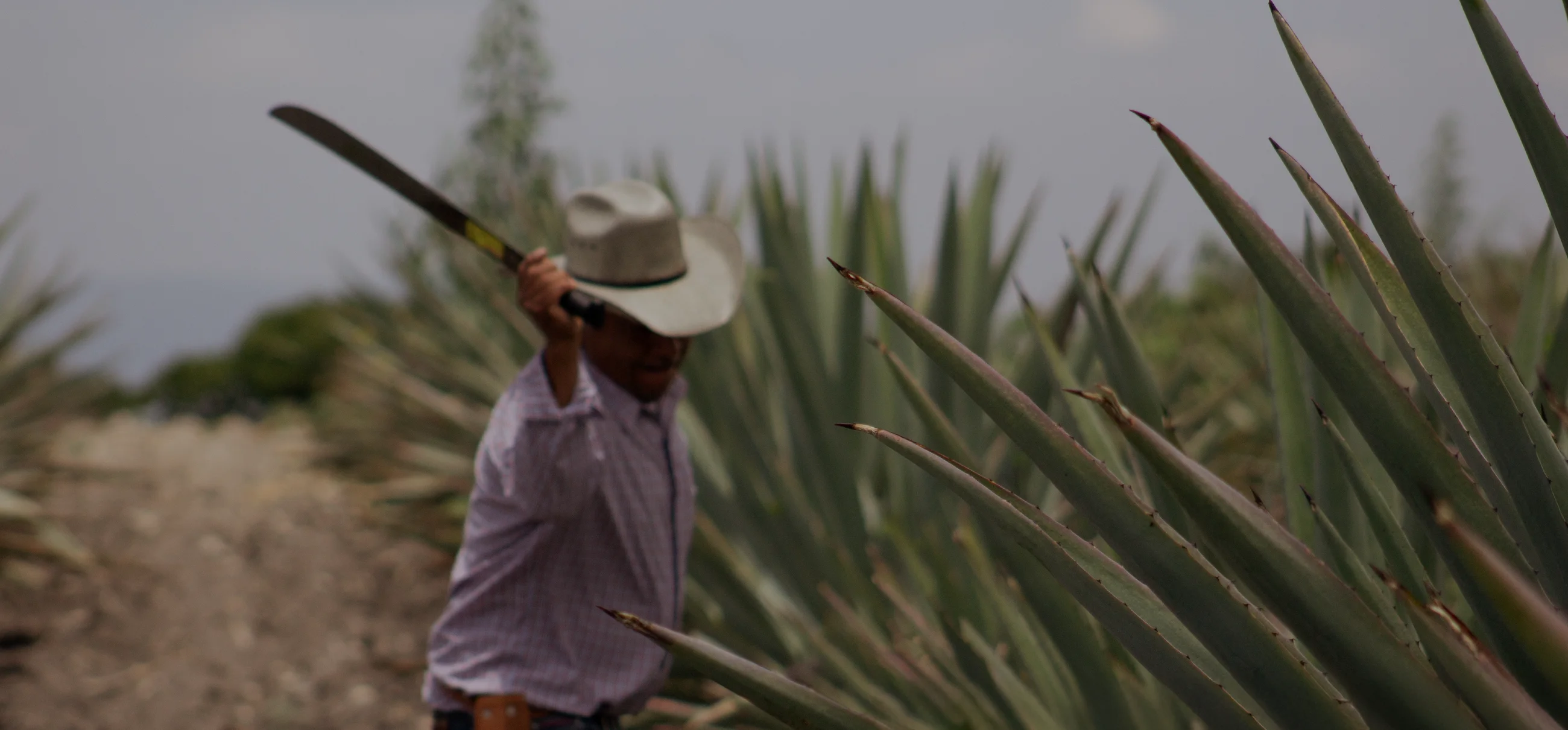
Agave matures slowly. Depending on the species, it can take up to 25 years to reach its ideal maturity. At that moment, master mezcal makers harvest it with a coa, carefully removing the leaves to reveal the heart, or piña.
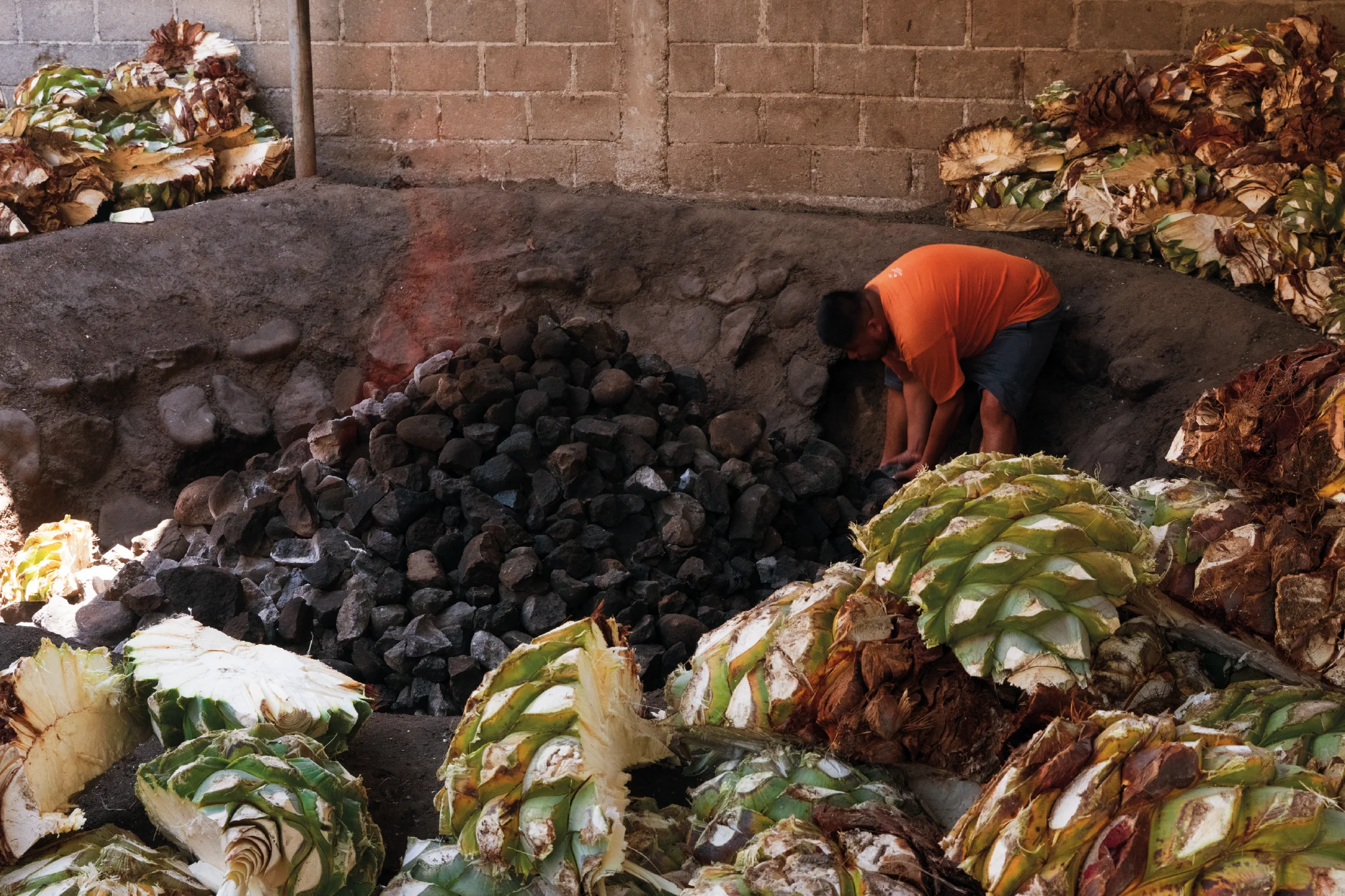
The agave hearts are cut by hand into halves or smaller pieces, depending on their size. They are then placed in a conical underground oven lined with volcanic stone and covered with earth and natural materials, allowing them to cook slowly and evenly for four to five days.
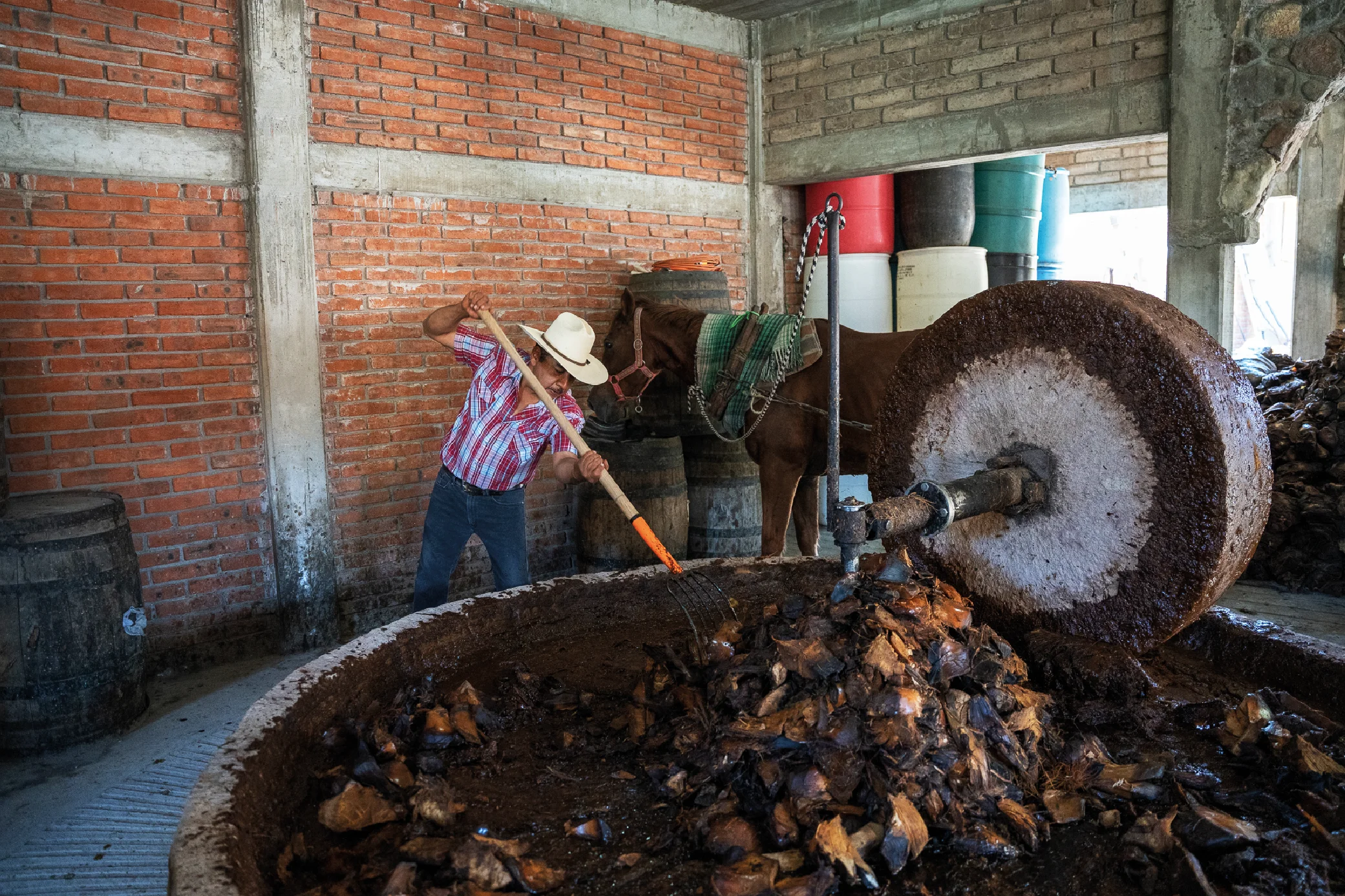
Once cooked, the agave hearts are crushed to release their juices and fibers. In ancestral mezcal production, they may be pounded by hand with a wooden mallet in a trough; in artisanal production, a volcanic-stone tahona mill is used.
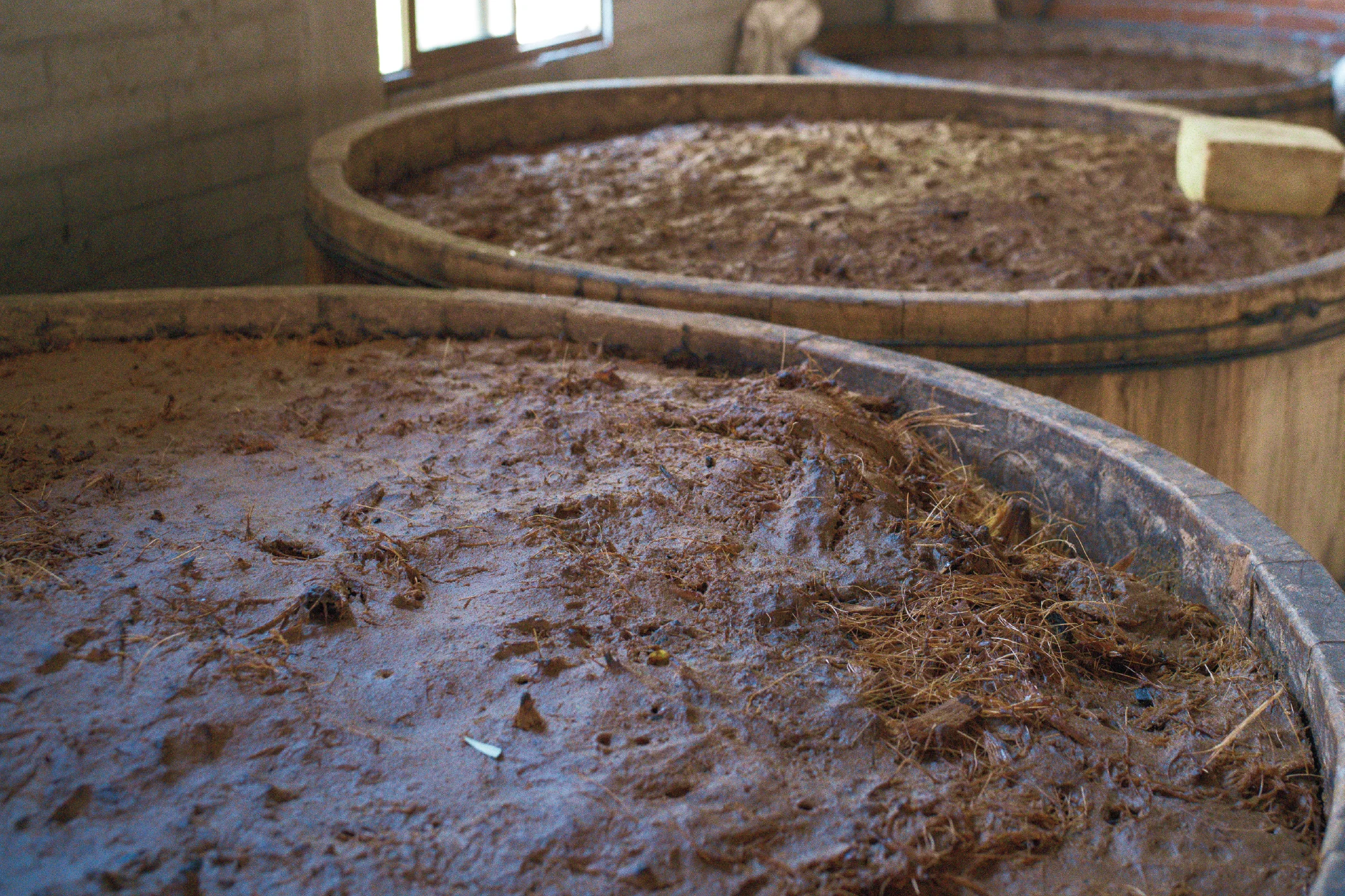
The resulting mixture ferments for three to four days in open-air wooden vats. Time and natural elements transform its sugars, developing the aromas and flavors that will emerge through distillation.
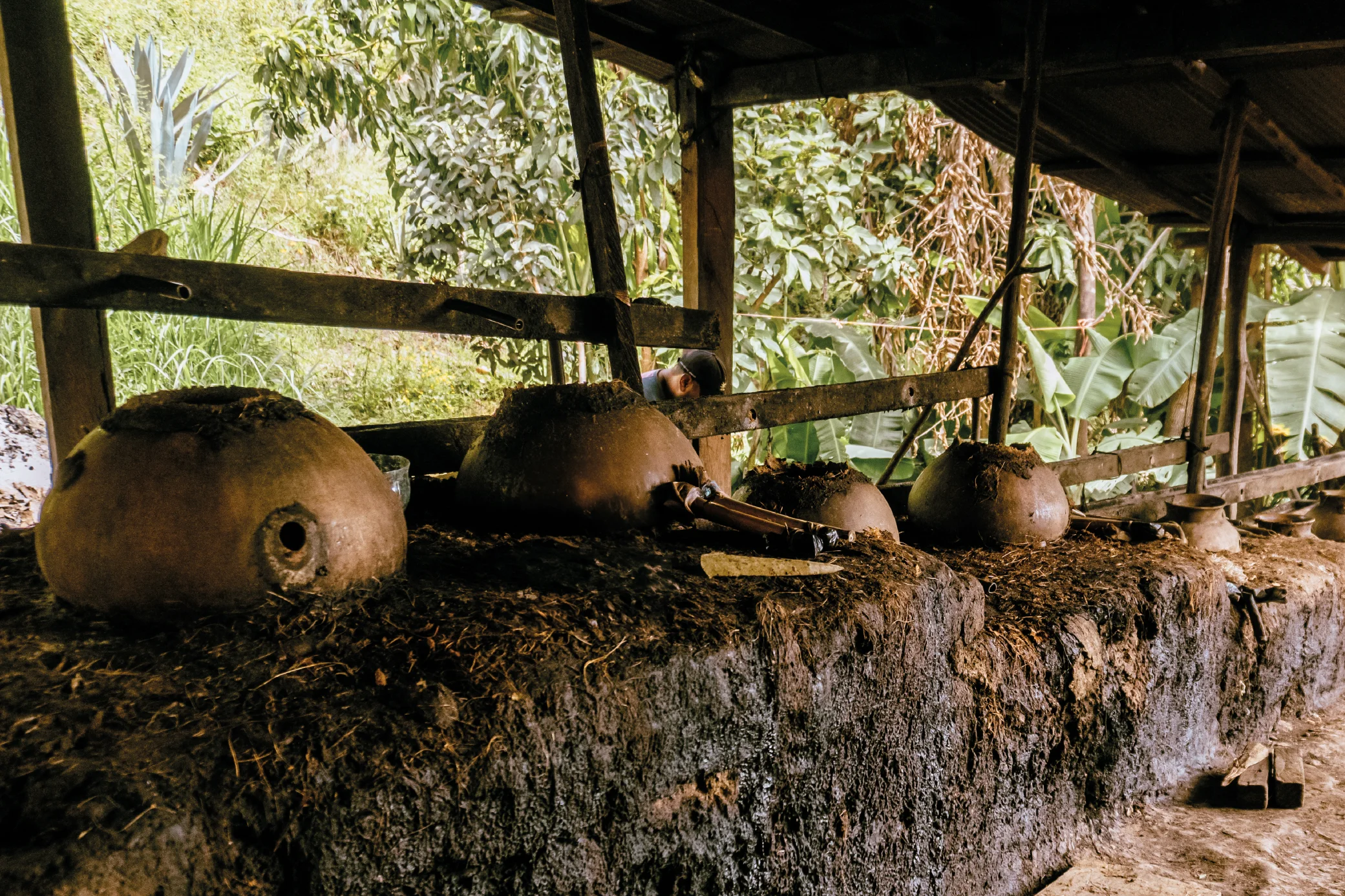
Finally comes distillation. The master mezcal maker oversees each stage, preserving the qualities that make every mezcal unique.
Artisanal mezcal undergoes double distillation in copper stills. Ancestral mezcal is distilled in clay pots, following a technique handed down through generations.
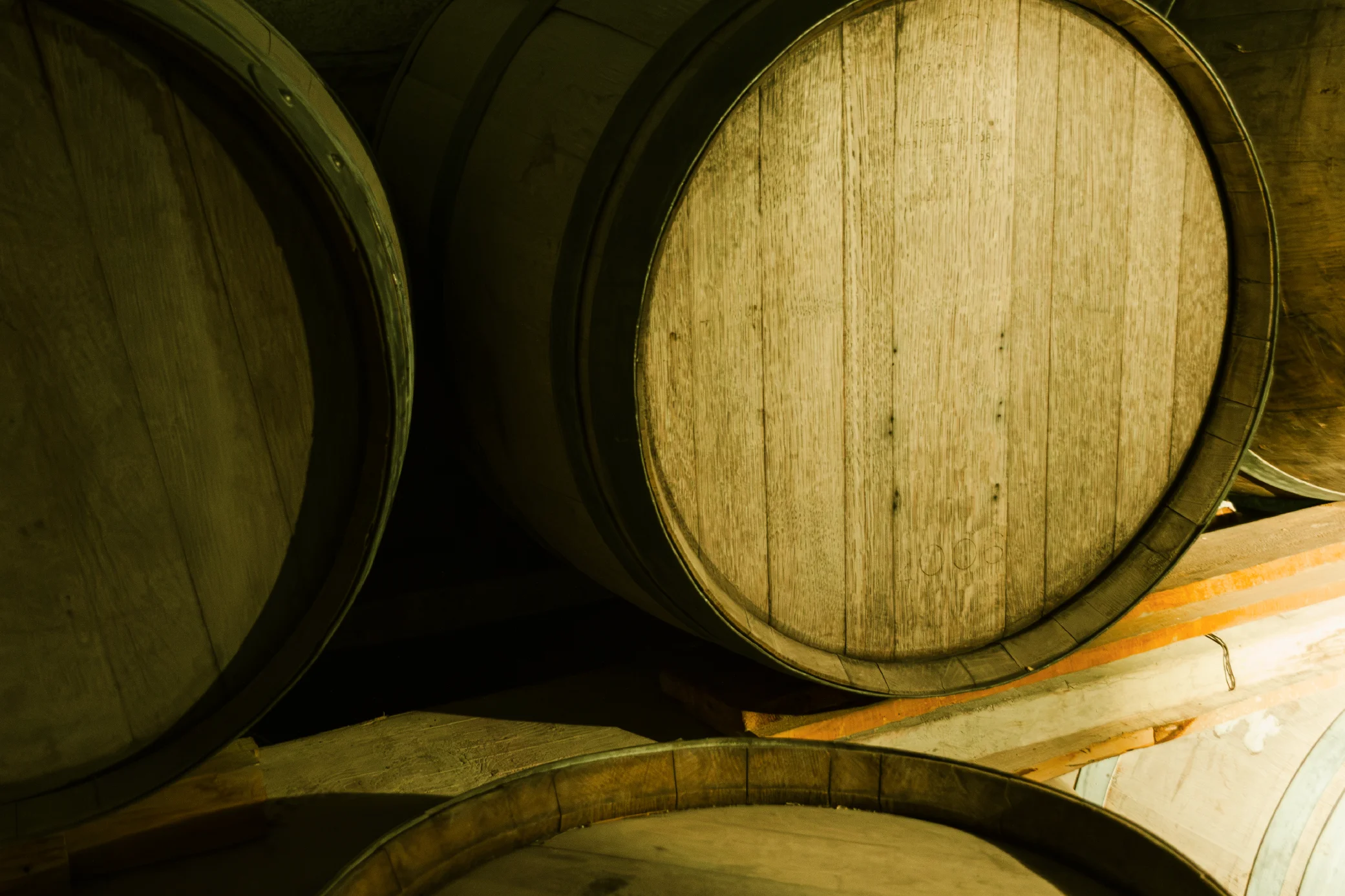
Some expressions continue to evolve in American and French oak barrels, where time adds further layers of aroma, flavor, and character.
Agave de Cortés Reposado rests for at least two months; Agave de Cortés Añejo for one year; and Agave de Cortés Añejo 3 Years for up to three years, making it the most mature expression in the collection.
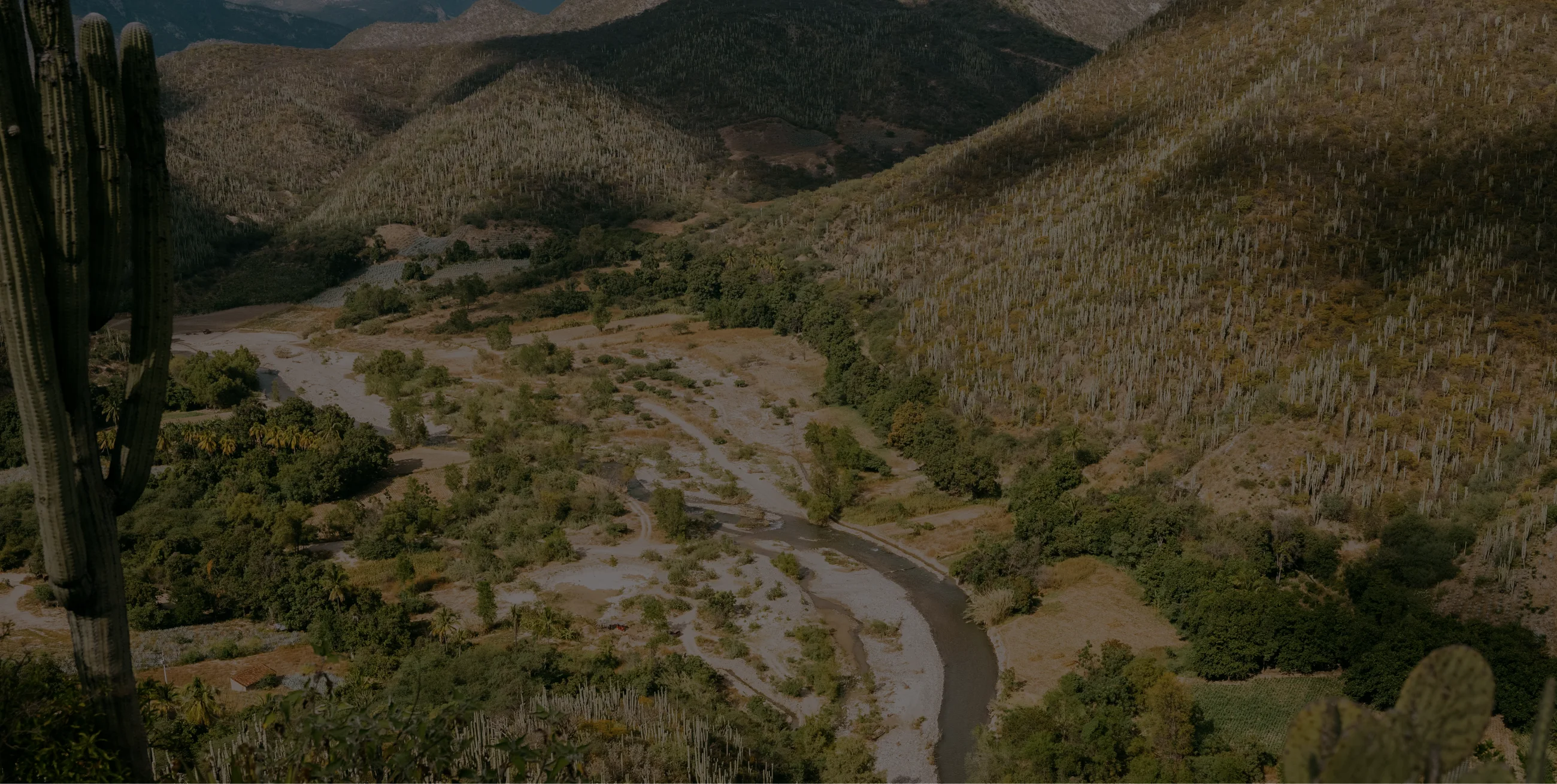
Meet the communities, their palenques, and the people keeping mezcal-making knowledge alive.
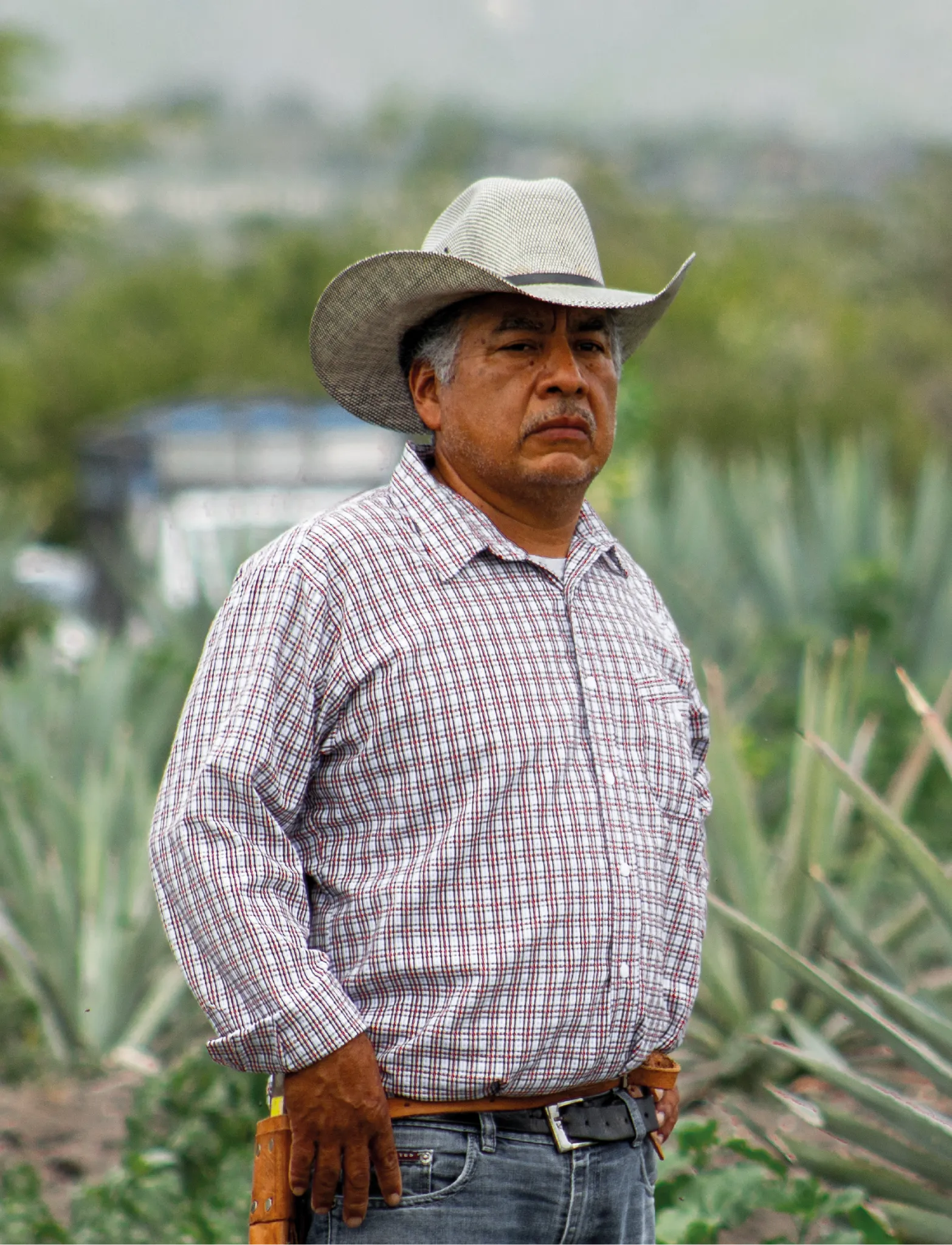


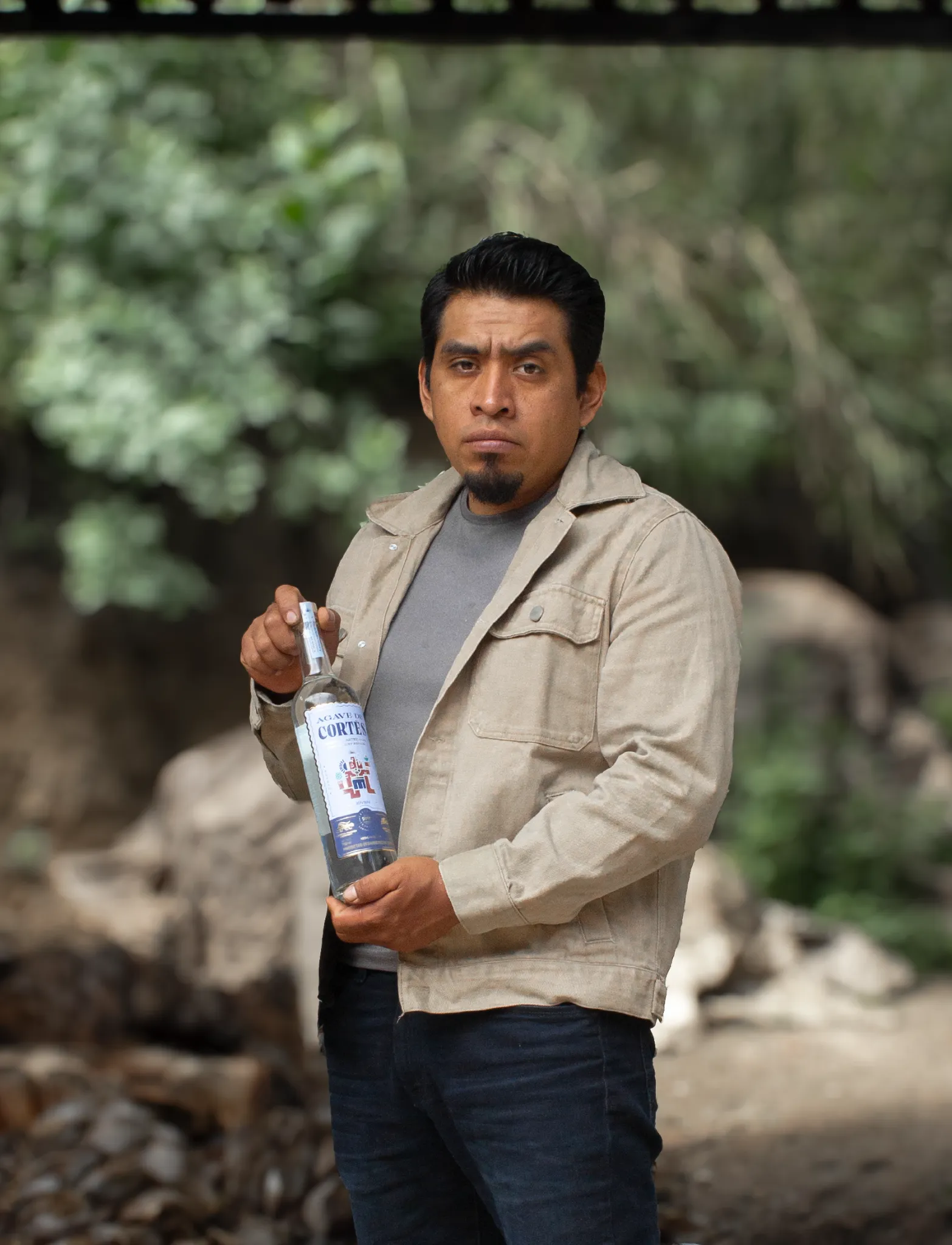
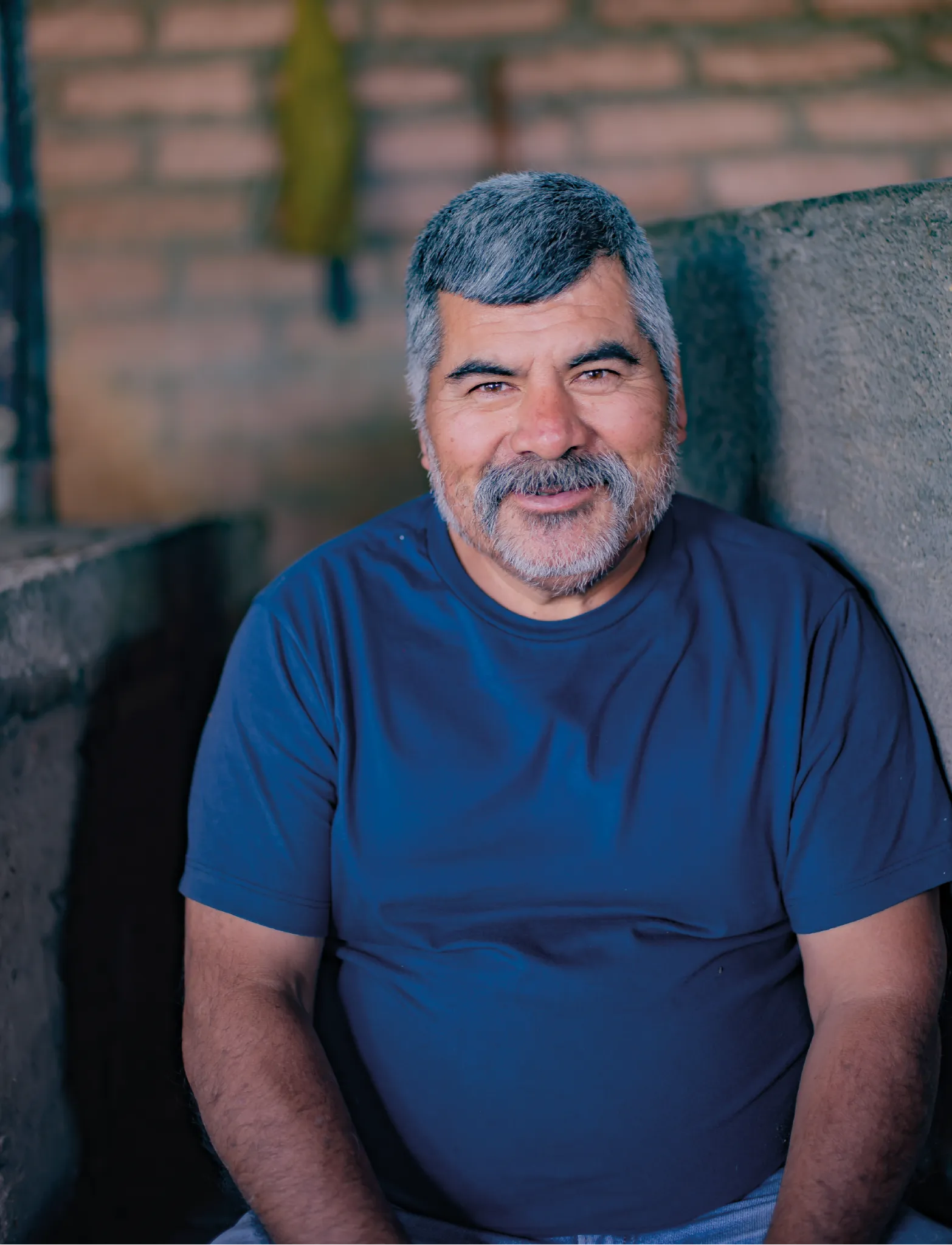

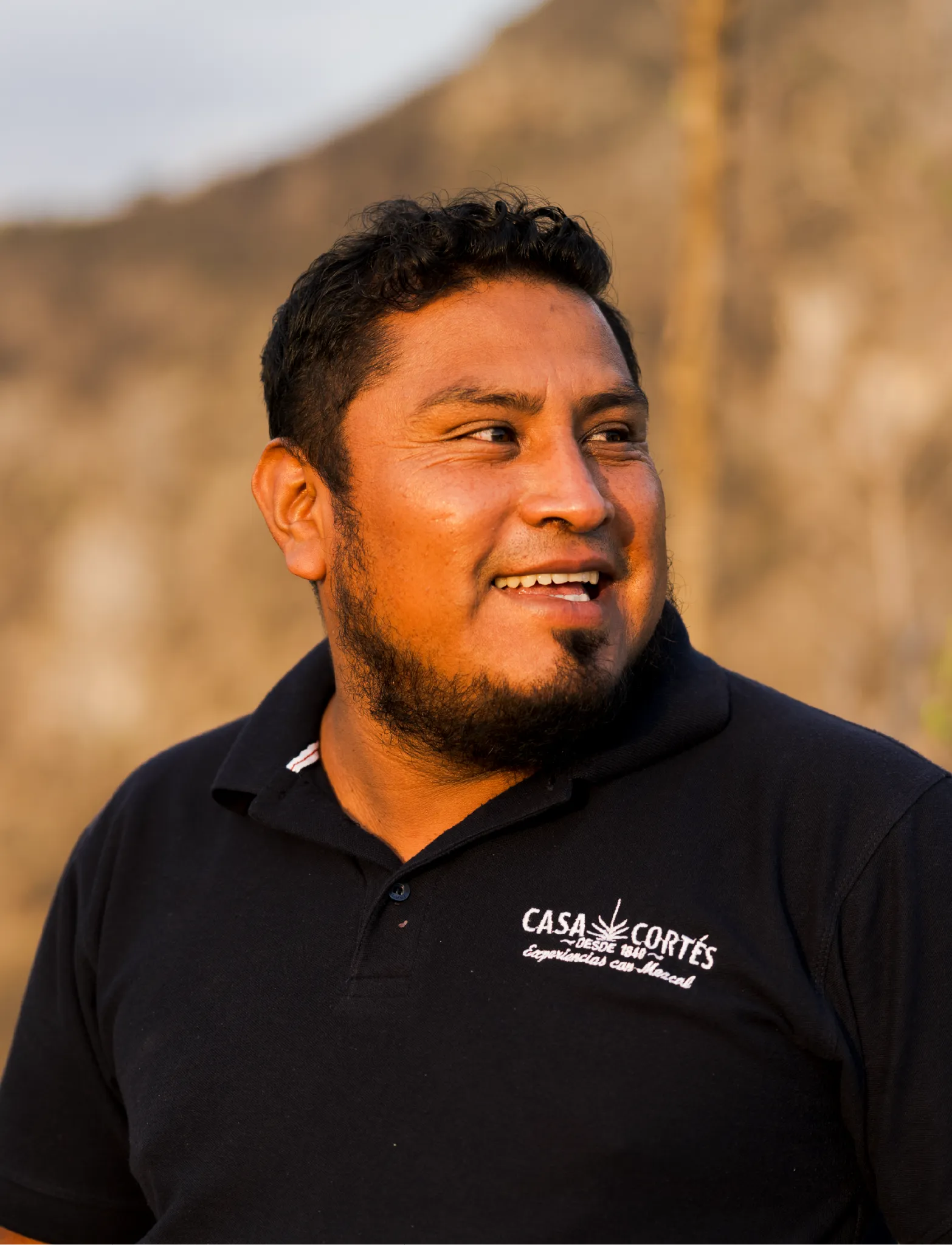
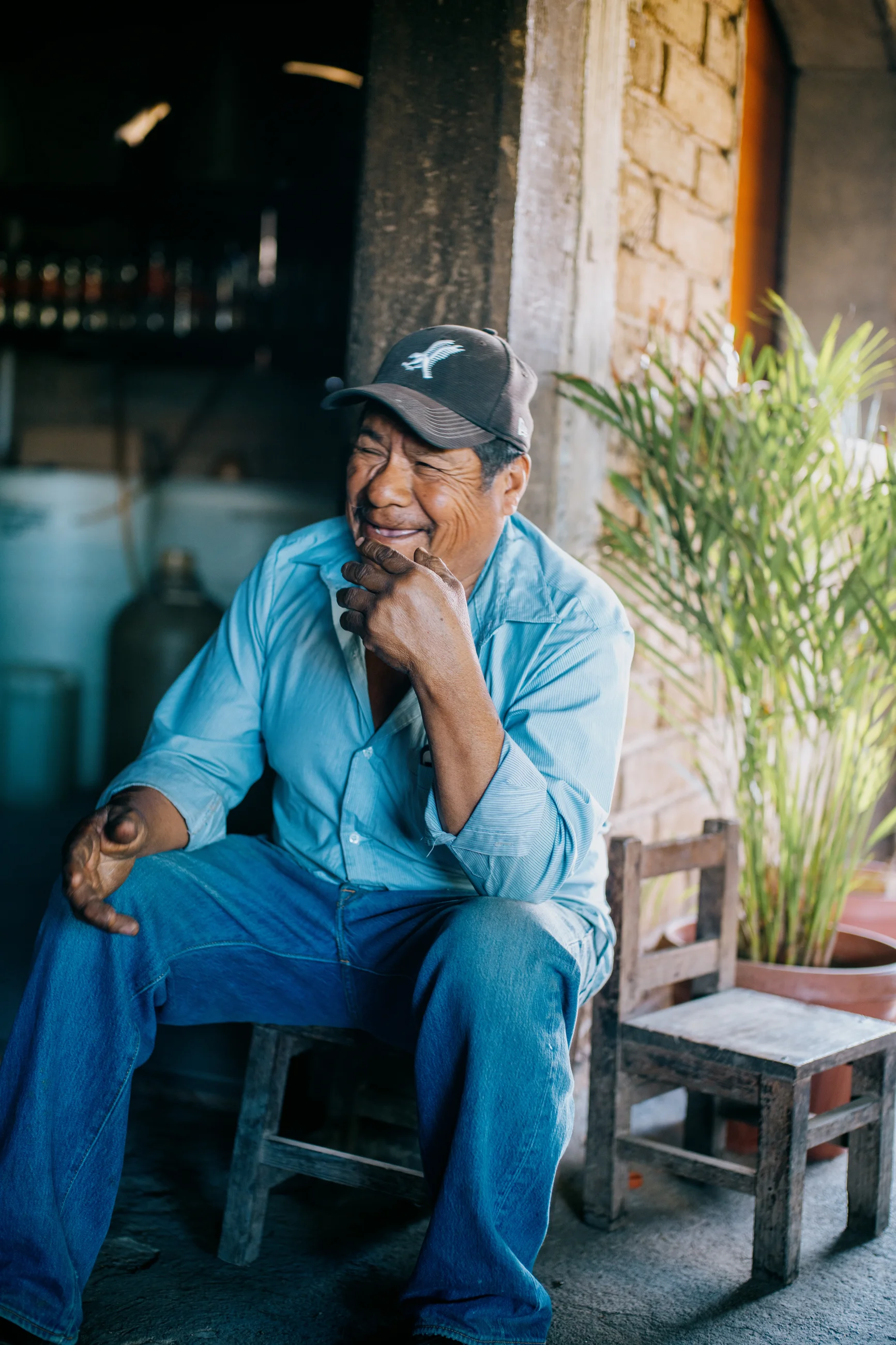
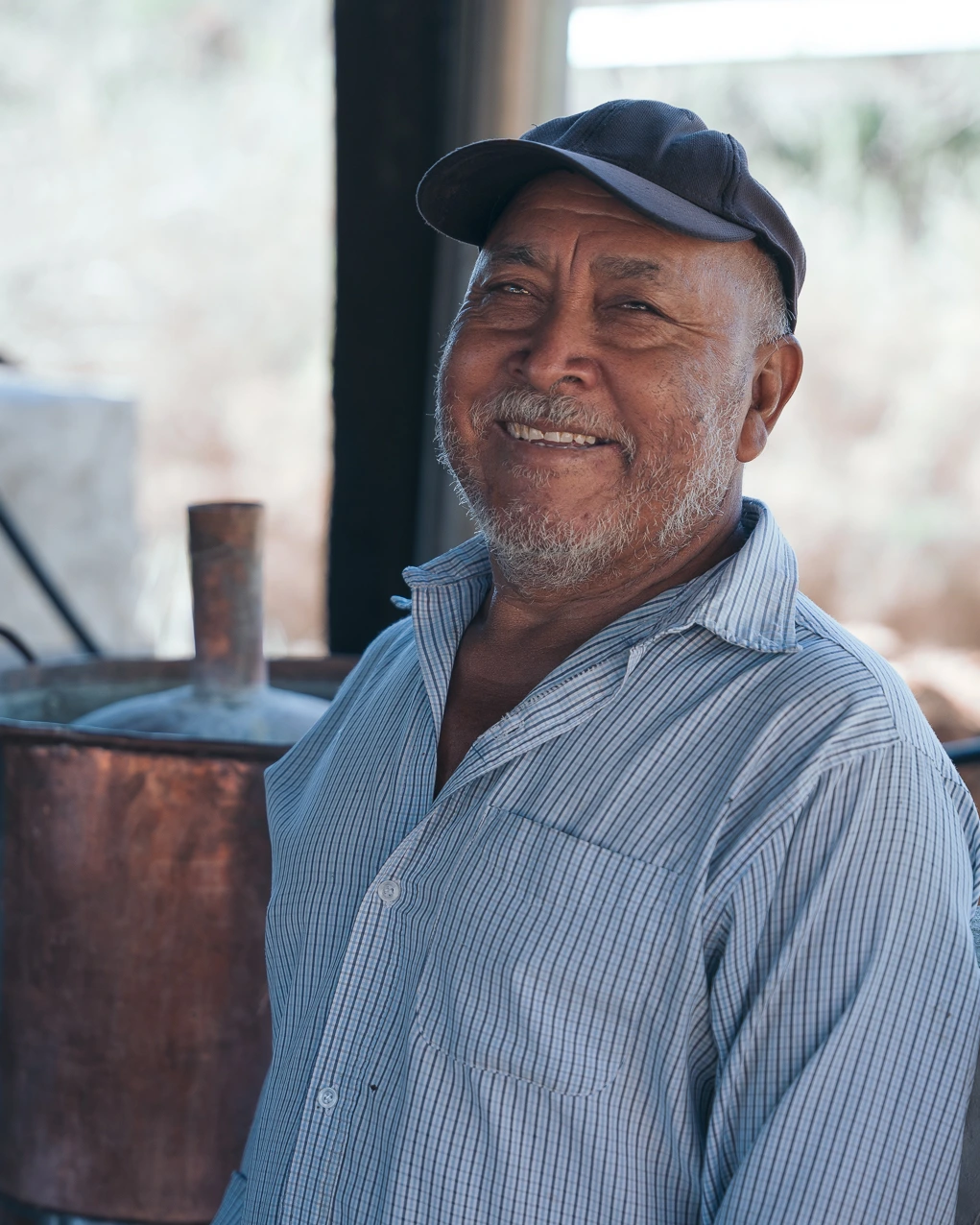

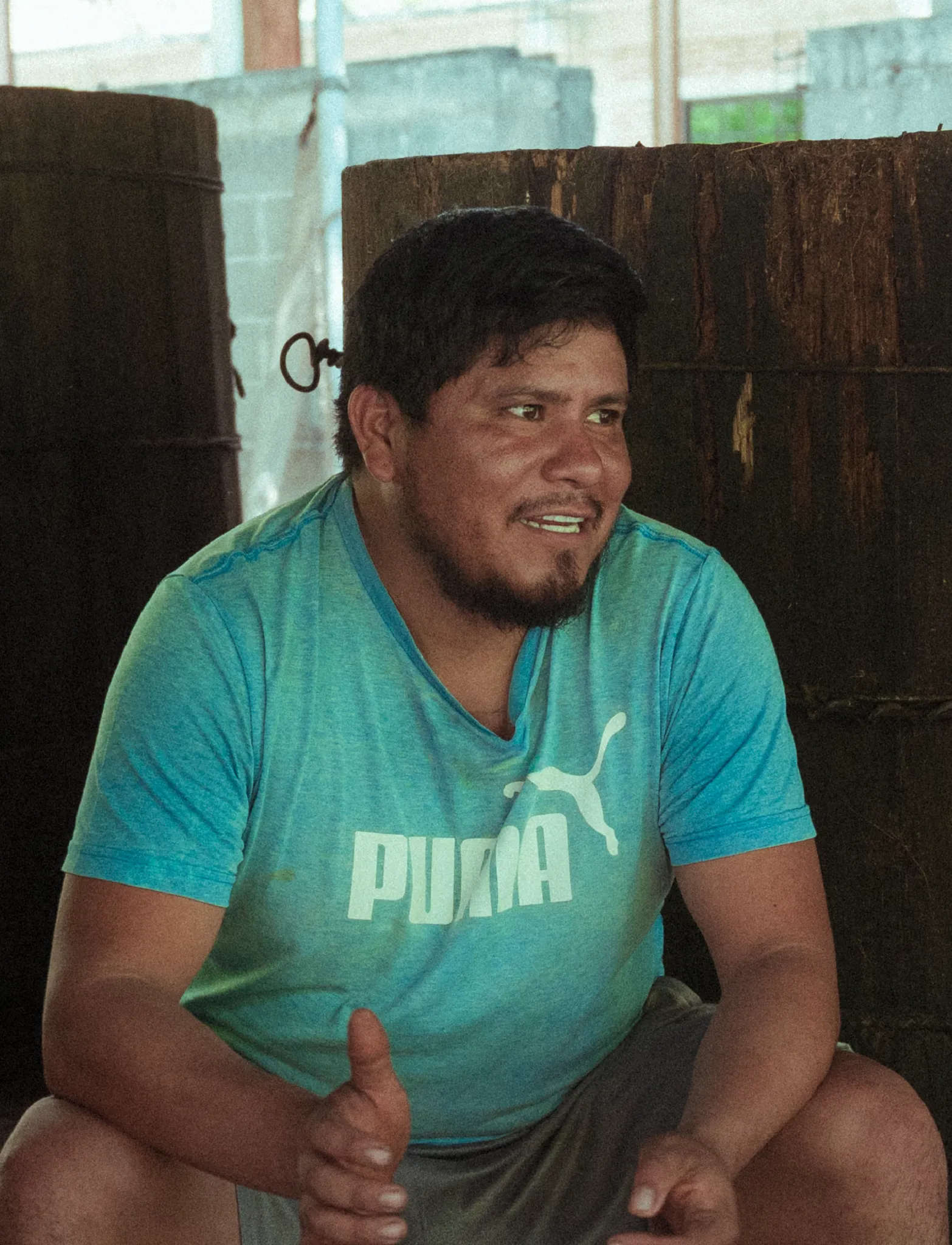
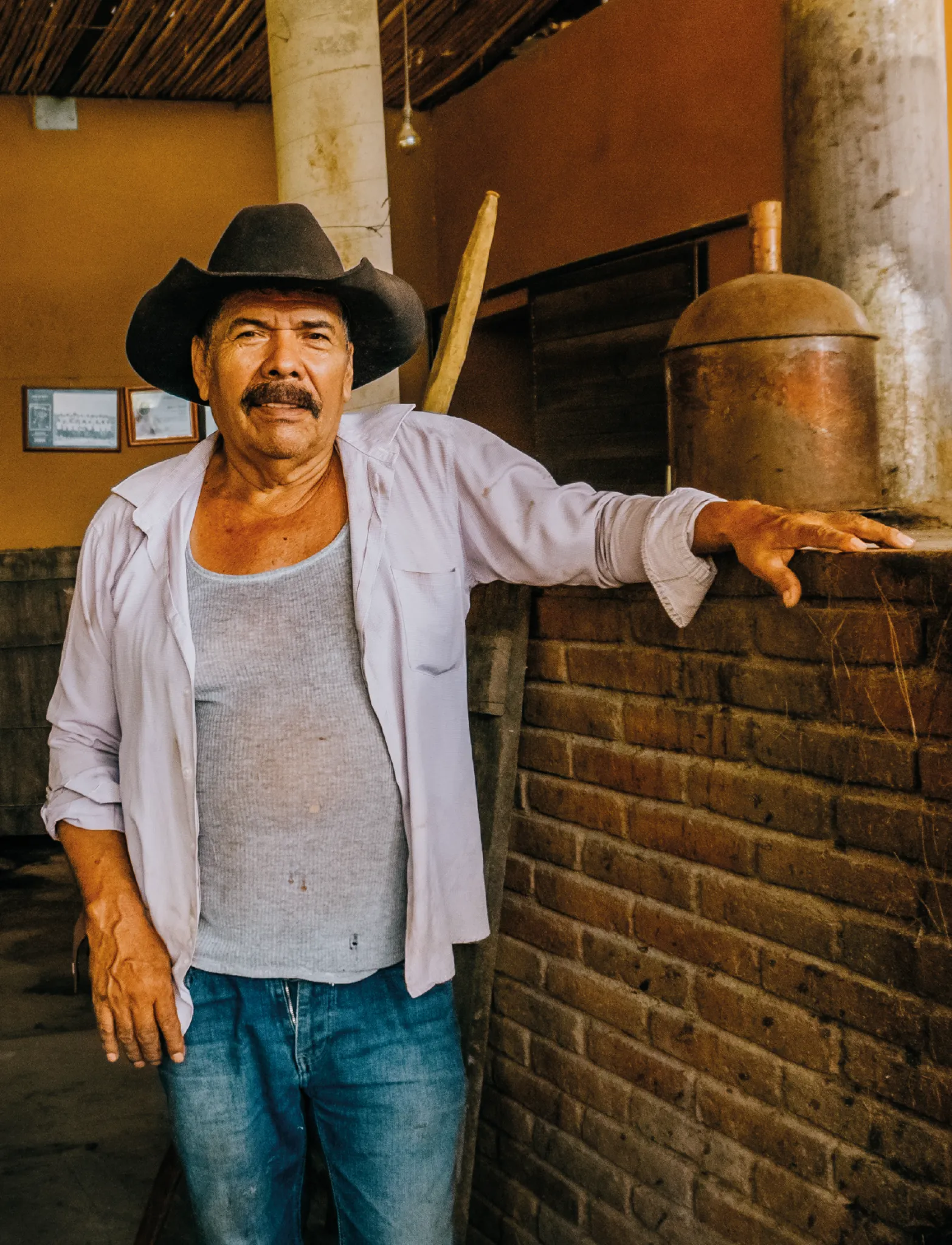
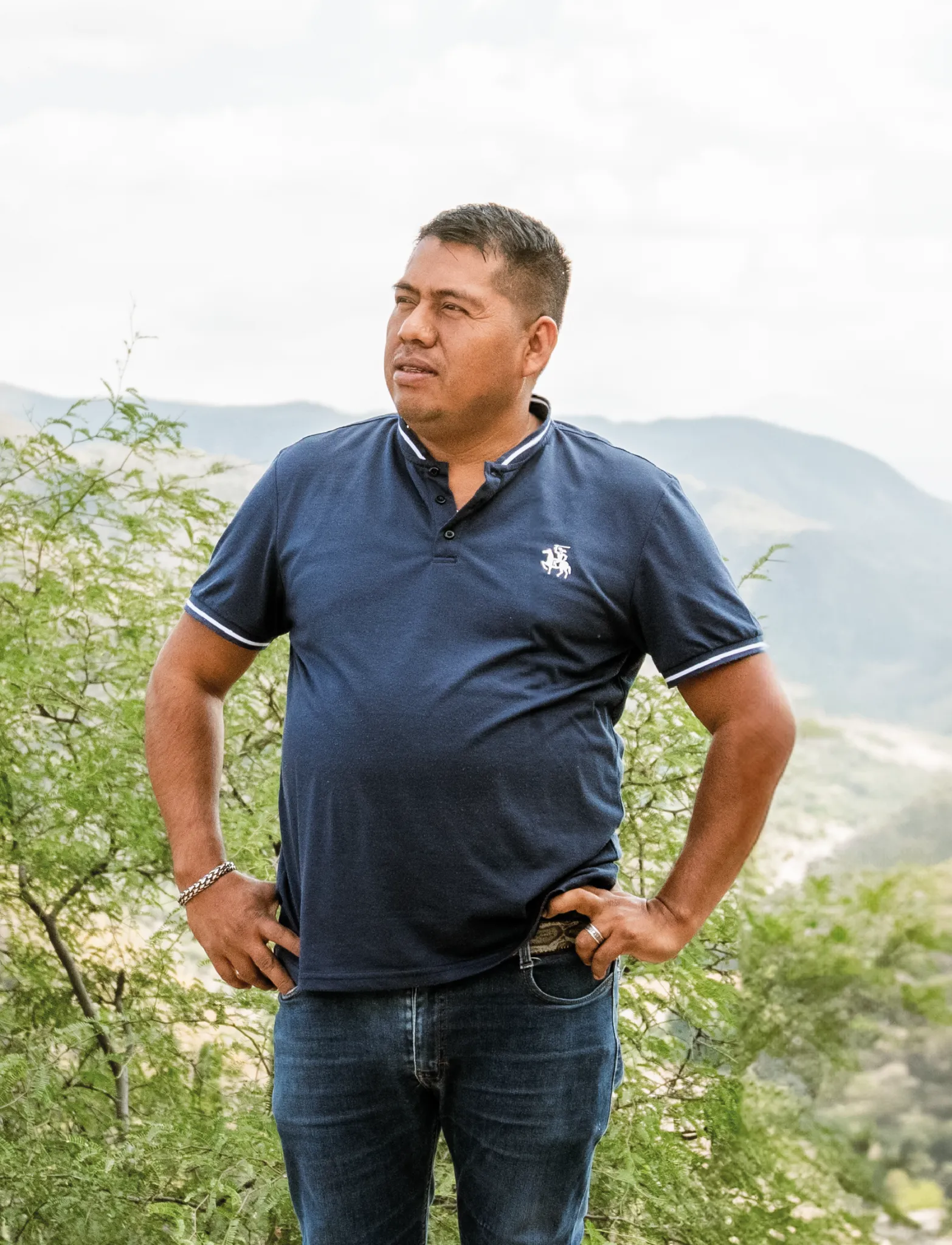
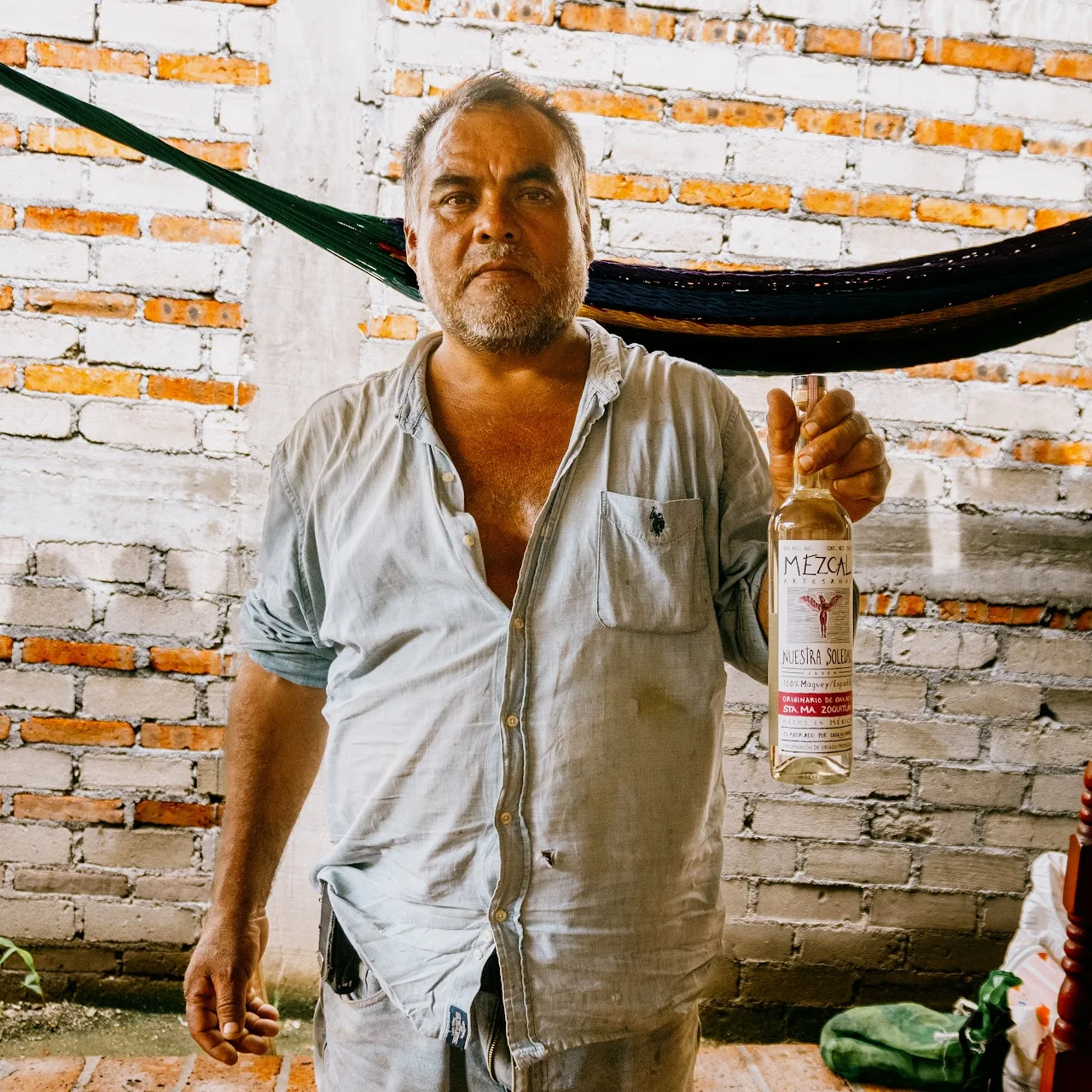
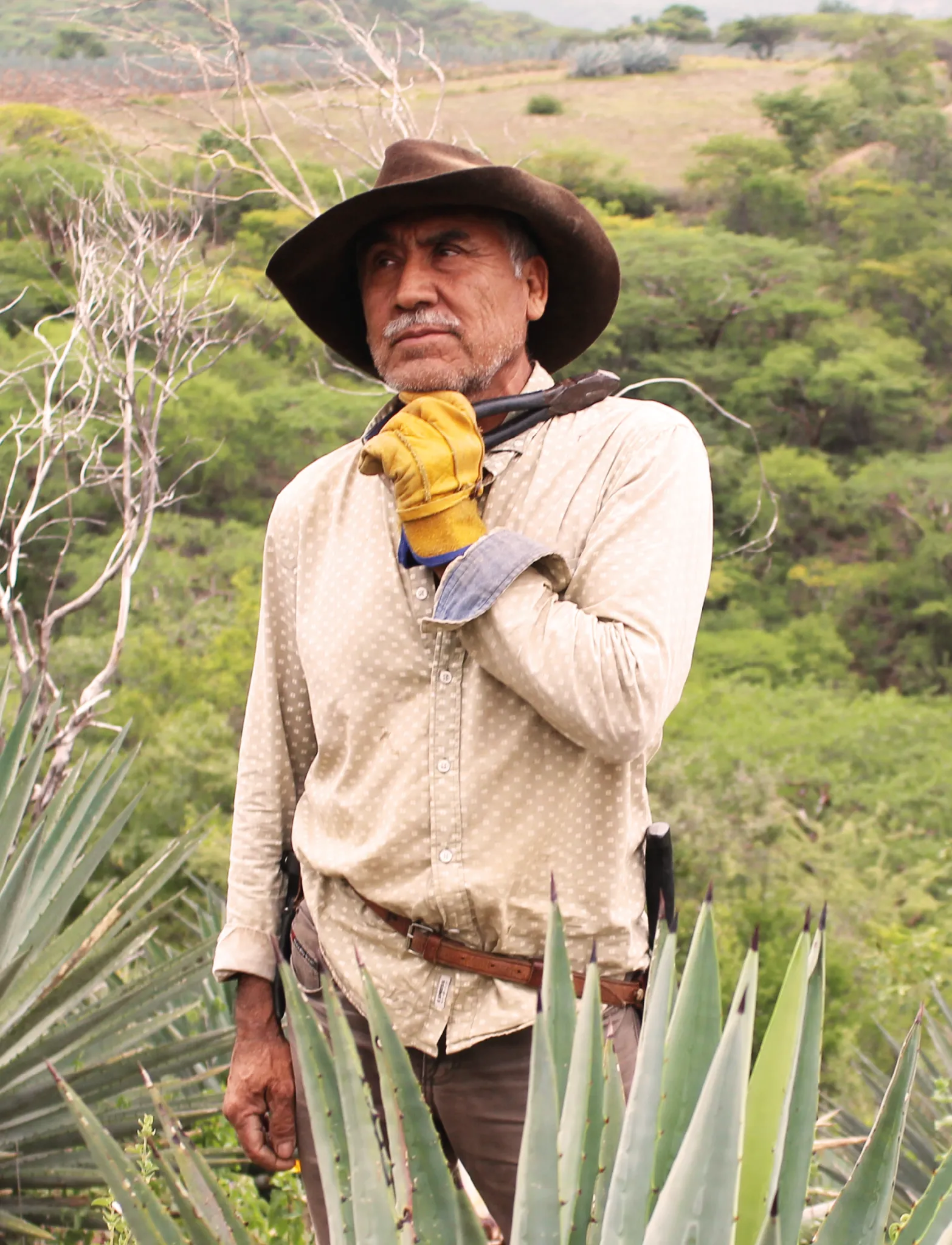
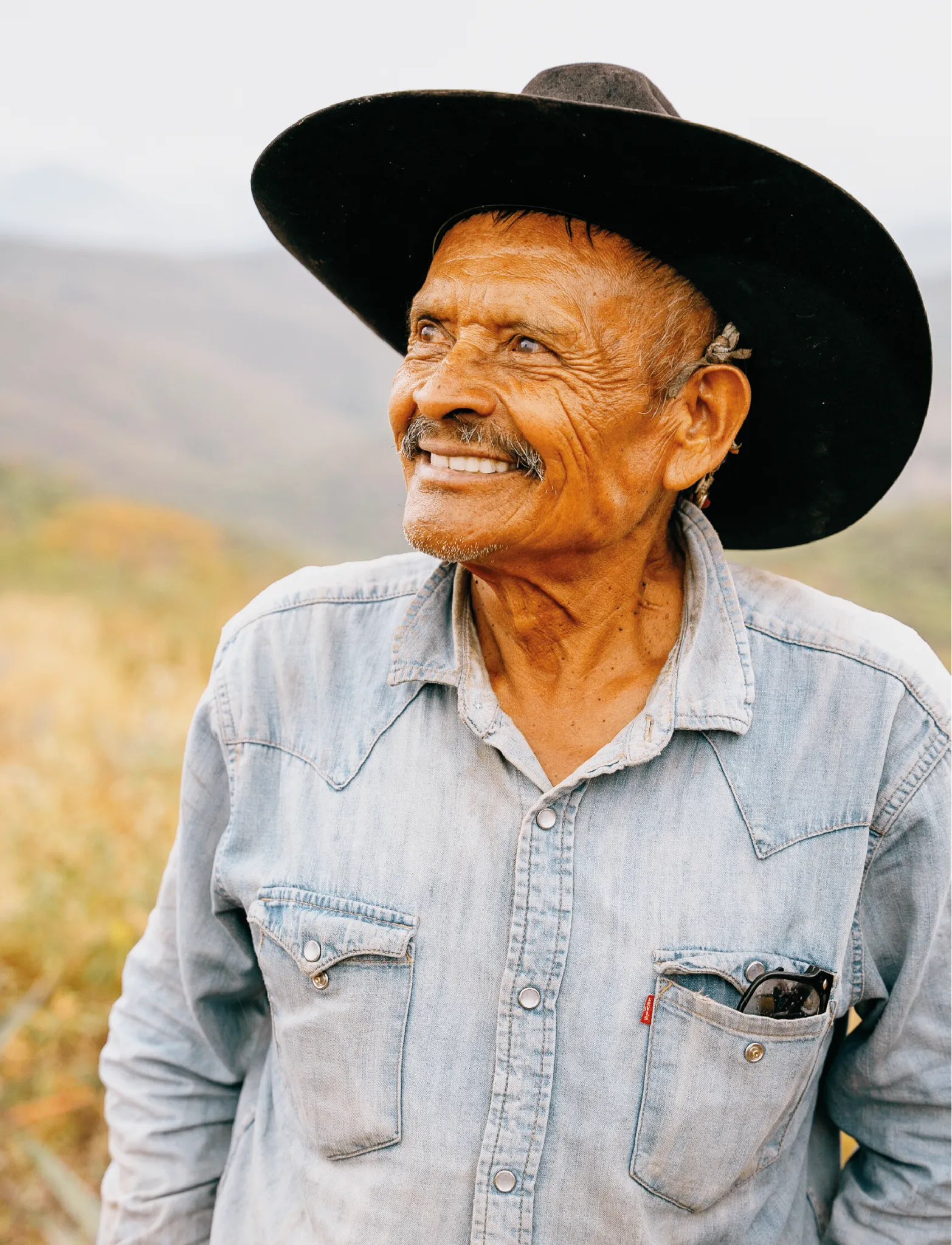
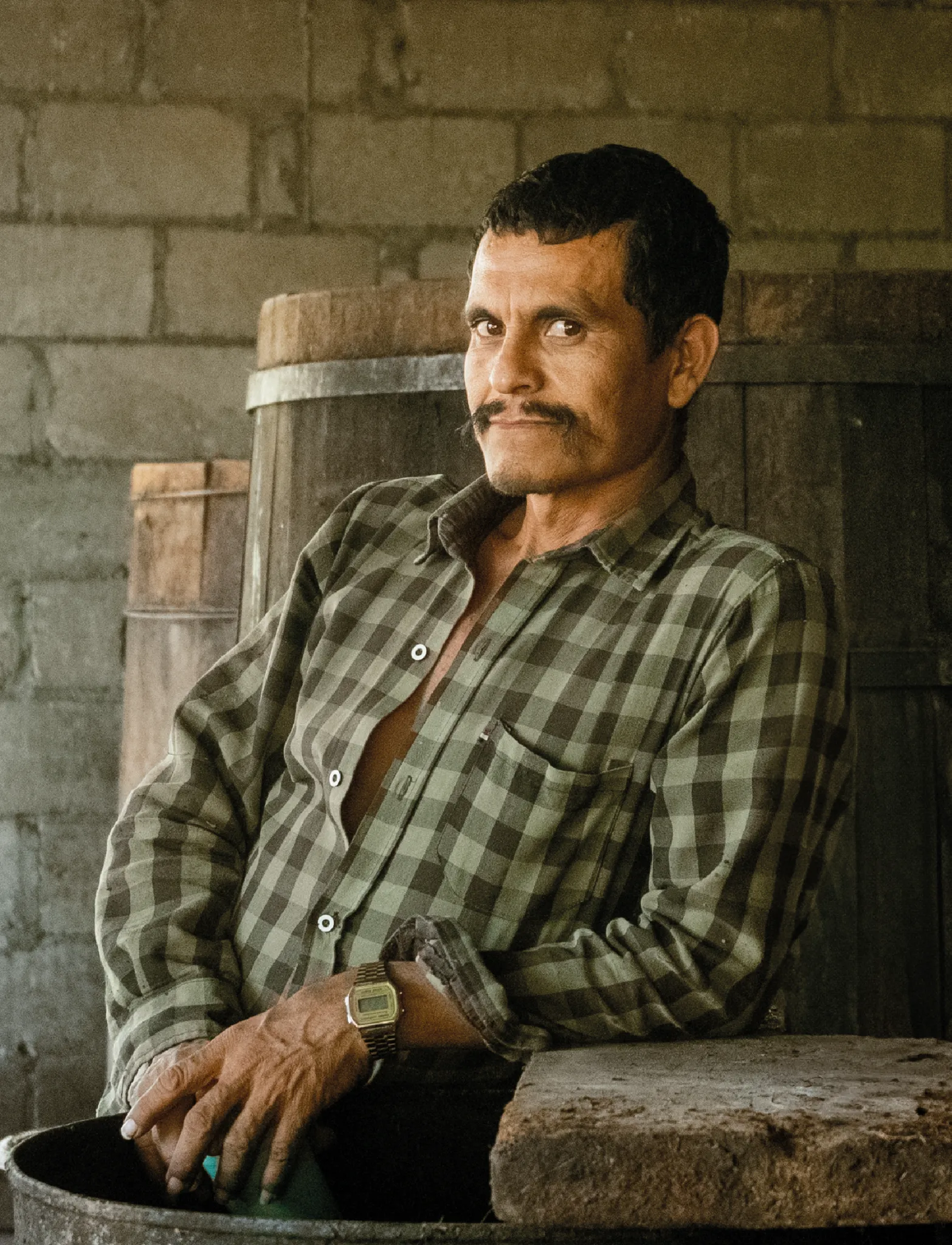
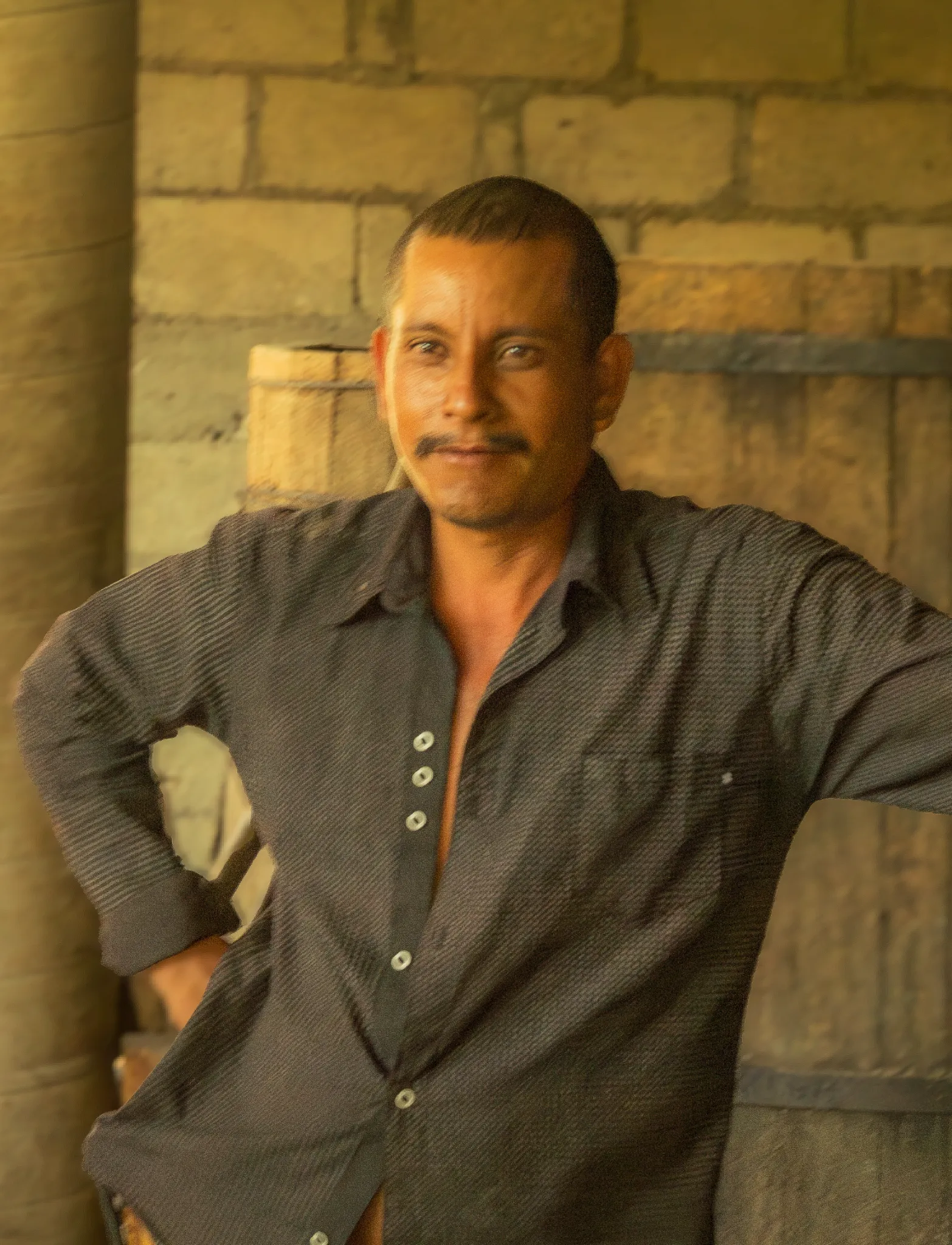
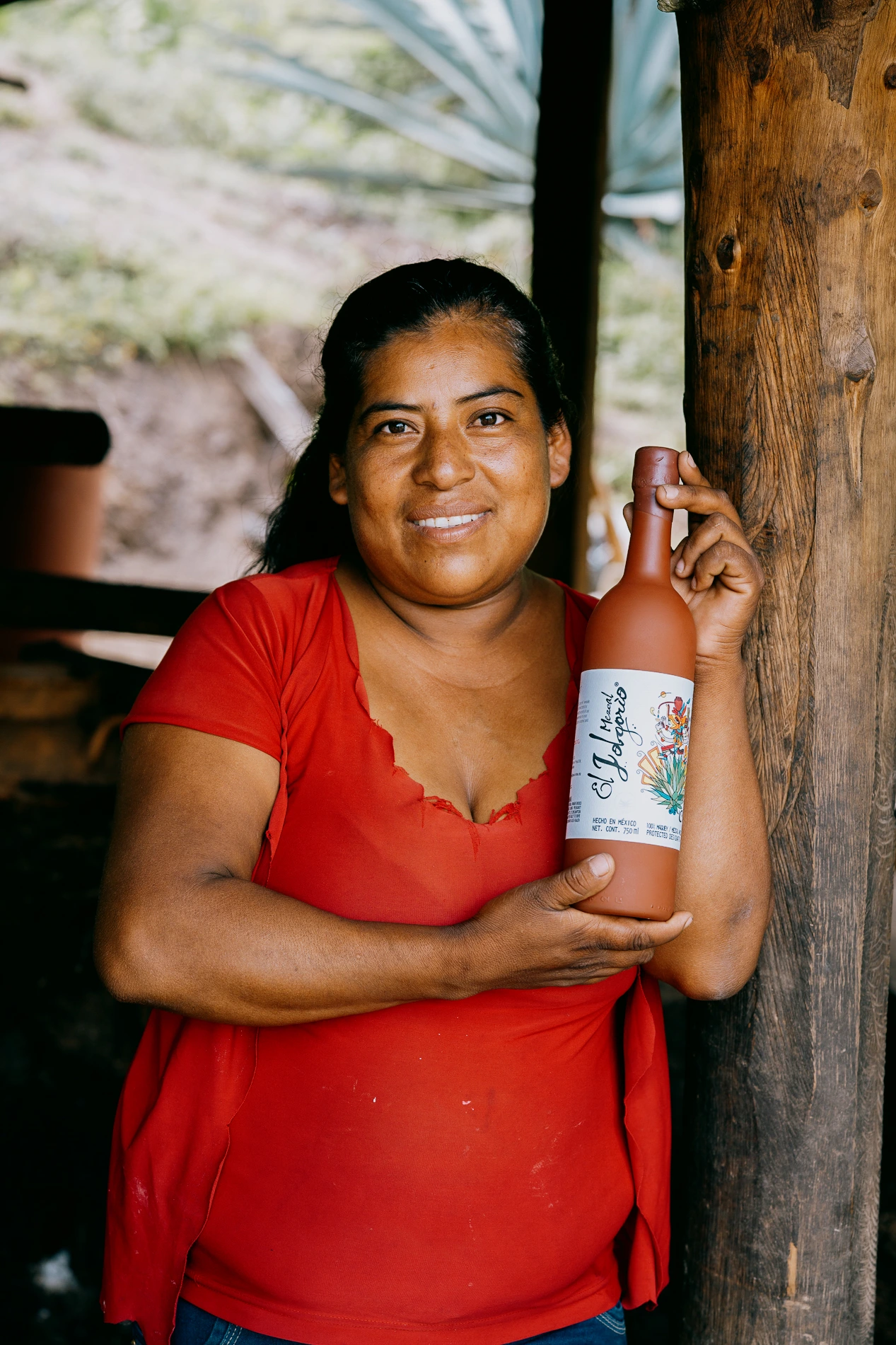
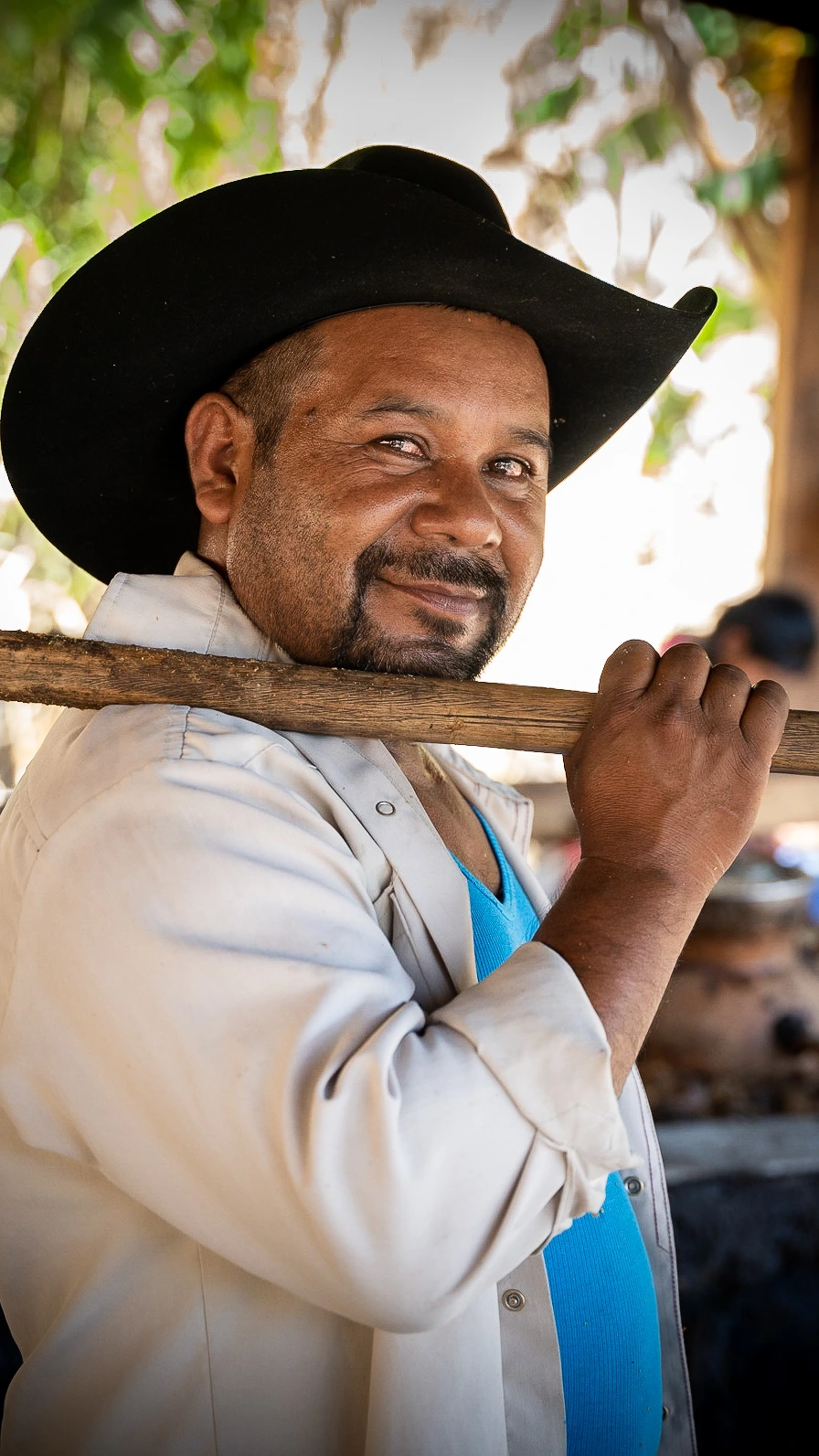

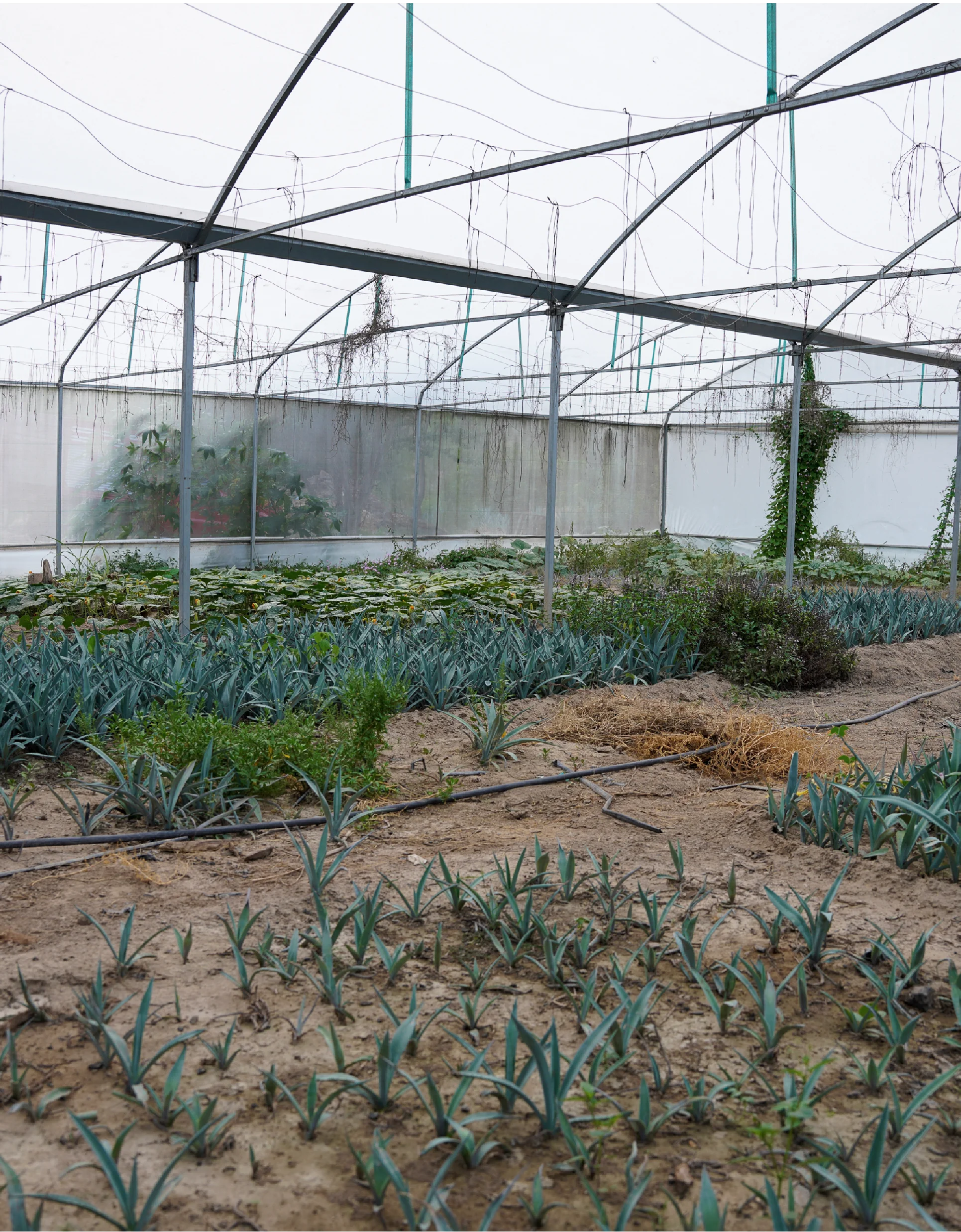
At Casa Cortés, sustainability is more than a responsibility: it is a comprehensive social, environmental, and financial commitment that guides everything we do.
We support mezcal-producing families and their communities in meaningful, lasting ways that go beyond financial assistance. One example is the construction of a children’s playground in San Luis del Río, reflecting our commitment to the well-being and future of local families.
We strive to be a model of environmental sustainability, protecting the landscape that nurtures agave so future generations can continue to enjoy Oaxaca’s mezcal heritage and the culture surrounding it.